Vitamins and minerals are essential nutrients that your body needs to function properly every day. Although the body generally requires them in much smaller amounts than carbohydrates, protein, and fat, they play important roles in many normal processes, including energy metabolism, immune function, bone health, blood formation, and nervous system function.
Many people have heard about vitamins and minerals, but they may not understand exactly what they do or where they come from. With so much nutrition information available online, it can also be difficult to know which nutrients are important and how to include them in a balanced diet.
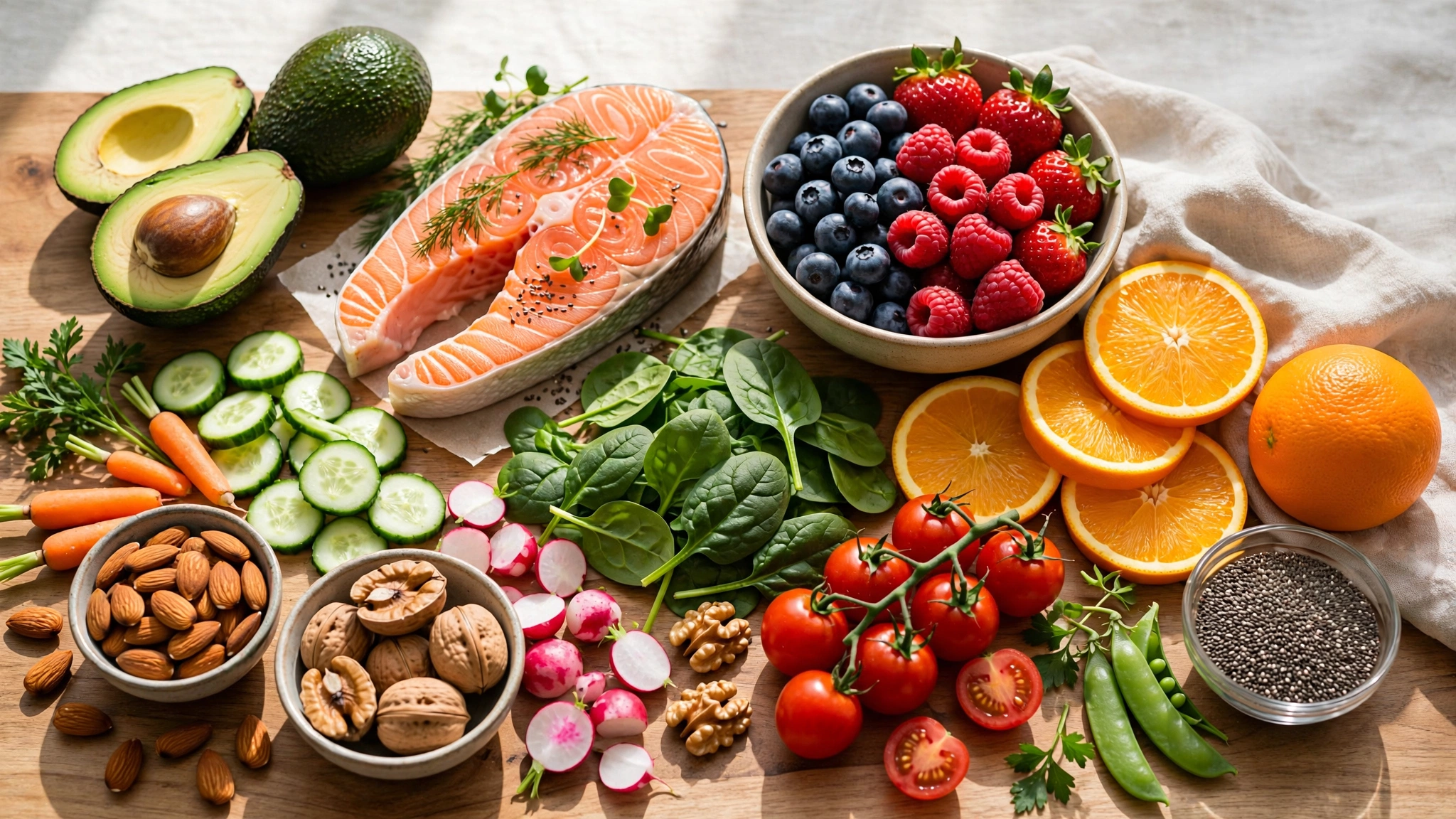
The good news is that you usually do not need a complicated nutrition plan to get a variety of essential nutrients. Eating a wide range of foods, including vegetables, fruits, whole grains, protein-rich foods, dairy or suitable alternatives, nuts, and seeds, can help provide many vitamins and minerals.
What Are Vitamins and Minerals?
Vitamins and minerals are often called micronutrients because the body generally needs them in relatively small amounts.
Vitamins are organic compounds that support different biological functions. Some vitamins can be produced in limited amounts by the body, while others need to come primarily from food.
Minerals are naturally occurring elements that are also essential for normal body functions. Examples include calcium, iron, magnesium, potassium, zinc, and iodine.
Each nutrient has a different role. This is why eating a varied diet is generally more useful than relying heavily on one particular food.
Why Are Vitamins and Minerals Important?
Vitamins and minerals contribute to many normal functions throughout the body.
Depending on the specific nutrient, they can help support:
- Normal immune function
- Bone and teeth health
- Muscle function
- Nerve function
- Normal blood formation
- Energy metabolism
- Healthy skin and tissues
- Normal cellular processes
For example, calcium is important for bones and teeth, iron is involved in oxygen transport, and vitamin C contributes to normal collagen formation and immune function.
Because different nutrients perform different jobs, maintaining dietary variety is an important part of good nutrition.
The Two Main Types of Vitamins
Vitamins are commonly divided into two groups: fat-soluble and water-soluble vitamins.
Fat-Soluble Vitamins
The fat-soluble vitamins include:
- Vitamin A
- Vitamin D
- Vitamin E
- Vitamin K
These vitamins can be stored in the body’s tissues.
Water-Soluble Vitamins
Water-soluble vitamins include vitamin C and the B-group vitamins.
Examples include:
- Vitamin B1
- Vitamin B2
- Vitamin B3
- Vitamin B5
- Vitamin B6
- Vitamin B7
- Vitamin B9
- Vitamin B12
- Vitamin C
These vitamins have different functions, so consuming a variety of nutrient-rich foods is important.
Important Minerals
Minerals can also be divided into different categories based on how much the body needs.
Some well-known minerals include:
- Calcium
- Iron
- Magnesium
- Potassium
- Zinc
- Iodine
- Selenium
- Phosphorus
They are found in a wide range of foods, including vegetables, fruits, beans, whole grains, dairy products, seafood, meat, nuts, and seeds.
Food First: Building a Varied Diet
For most people, food should be the foundation of their nutrition. Different foods provide different combinations of vitamins, minerals, fiber, protein, and other beneficial compounds.
A varied eating pattern can include:
- Colorful fruits and vegetables
- Whole grains
- Beans and lentils
- Fish, eggs, or other protein sources
- Nuts and seeds
- Dairy products or suitable alternatives
Rather than focusing on one “perfect” food, aim for variety across your meals and throughout the week.
In the next part, we will look more closely at specific vitamins and the foods that can provide them.
Vitamin A
Vitamin A is an important nutrient involved in normal vision, immune function, and the maintenance of healthy body tissues. It can be obtained from a variety of foods, including both animal and plant sources.
Foods that provide vitamin A or related compounds include:
- Carrots
- Sweet potatoes
- Spinach
- Kale
- Eggs
- Dairy products
- Liver
Including colorful vegetables and other nutrient-rich foods in your meals can help contribute to your overall vitamin A intake.
Vitamin C
Vitamin C is a water-soluble vitamin that contributes to normal immune function and collagen formation. Collagen is an important protein found in skin, connective tissue, bones, and other parts of the body.
Vitamin C is commonly found in fruits and vegetables.
Good food sources include:
- Oranges
- Strawberries
- Kiwi
- Bell peppers
- Broccoli
- Tomatoes
- Citrus fruits
Adding a variety of fruits and vegetables to your meals is an easy way to include vitamin C in your diet.
Vitamin D
Vitamin D plays an important role in calcium absorption and normal bone health. It also contributes to normal muscle and immune function.
Food sources can include:
- Fatty fish
- Egg yolks
- Fortified foods
- Some mushrooms
The body can also produce vitamin D when skin is exposed to sunlight. However, the amount produced can vary depending on factors such as location, season, skin characteristics, clothing, and lifestyle.
Some people may have difficulty getting enough vitamin D and may require professional guidance about testing or supplementation.
Vitamin E
Vitamin E includes a group of compounds with antioxidant activity. It helps protect cells from oxidative damage and contributes to normal immune function.
Food sources include:
- Almonds
- Sunflower seeds
- Peanuts
- Vegetable oils
- Avocado
- Spinach
Nuts and seeds can be convenient sources of vitamin E and also provide other nutrients.
Vitamin K
Vitamin K is involved in normal blood clotting and contributes to maintaining healthy bones.
Foods containing vitamin K include:
- Spinach
- Kale
- Broccoli
- Cabbage
- Other leafy green vegetables
Green vegetables can provide several nutrients at the same time, making them useful additions to a balanced diet.
B Vitamins
The B-group vitamins include several different nutrients, and each has its own functions.
They are involved in processes such as energy metabolism, nervous system function, and normal red blood cell formation.
B vitamins can be found in foods such as:
- Whole grains
- Eggs
- Meat
- Fish
- Beans
- Lentils
- Dairy products
- Leafy green vegetables
Vitamin B12
Vitamin B12 deserves particular attention because it is naturally found mainly in animal-based foods. Good sources include fish, meat, eggs, milk, and other dairy products.
People who follow vegan or vegetarian diets may need to pay particular attention to reliable sources of vitamin B12, such as fortified foods or supplements when appropriate.
Why Food Variety Matters
No single food provides every vitamin and mineral your body needs. A varied diet makes it easier to obtain different nutrients throughout the week.
For example, leafy green vegetables can provide several vitamins and minerals, while beans can contribute protein, fiber, iron, magnesium, and other nutrients.
Instead of trying to identify one “best” food, focus on creating meals that contain a variety of nutrient-rich ingredients.
In the next part, we will look at important minerals such as calcium, iron, magnesium, potassium, and zinc and explore their common food sources.
Calcium
Calcium is one of the most abundant minerals in the human body and is especially important for maintaining strong bones and teeth. It also contributes to normal muscle function, nerve signaling, and other important processes.
Common food sources of calcium include:
- Milk
- Yogurt
- Cheese
- Calcium-fortified plant-based drinks
- Tofu made with calcium
- Some leafy green vegetables
- Certain fish eaten with their edible bones
Getting calcium from a variety of foods can be part of a balanced nutrition plan. Individual calcium needs can vary depending on age and other factors.
Iron
Iron is an essential mineral that plays an important role in the production of hemoglobin. Hemoglobin is a protein in red blood cells that helps transport oxygen throughout the body.
Iron can be found in both animal and plant foods.
Common sources include:
- Lean meat
- Seafood
- Beans
- Lentils
- Spinach
- Fortified cereals
- Pumpkin seeds
The body absorbs different forms of iron differently. Eating plant-based sources of iron alongside foods containing vitamin C may help improve the absorption of non-heme iron.
People with concerns about iron deficiency should speak with a healthcare professional. Taking high-dose iron supplements without appropriate guidance may be unsafe.
Magnesium
Magnesium is involved in hundreds of biochemical reactions in the body. It contributes to normal muscle and nerve function and plays a role in energy metabolism.
Foods that provide magnesium include:
- Almonds
- Cashews
- Pumpkin seeds
- Beans
- Lentils
- Whole grains
- Spinach
- Other leafy green vegetables
Including nuts, seeds, whole grains, and legumes in a varied diet can help increase dietary magnesium intake.
Potassium
Potassium is an essential mineral and electrolyte that contributes to normal muscle function, nerve signaling, and fluid balance.
Good food sources include:
- Bananas
- Potatoes
- Beans
- Lentils
- Tomatoes
- Spinach
- Avocados
- Yogurt
Eating a variety of fruits and vegetables can provide potassium along with many other important nutrients.
People with certain kidney conditions or who take specific medications may need to manage potassium intake differently, so personalized medical advice is important in those situations.
Zinc
Zinc contributes to normal immune function, wound healing, and many cellular processes.
Food sources include:
- Meat
- Seafood
- Dairy products
- Beans
- Chickpeas
- Nuts
- Seeds
- Whole grains
A balanced diet can provide zinc from several different food groups.
Iodine
Iodine is needed to produce thyroid hormones, which help regulate important processes in the body.
Common sources include:
- Iodized salt
- Seafood
- Dairy products
- Eggs
The amount of iodine in food can vary depending on the source and preparation method. People with specific thyroid conditions should discuss their dietary needs with a healthcare professional.
Selenium
Selenium is a trace mineral that contributes to normal thyroid function and protection of cells from oxidative stress.
Food sources include:
- Seafood
- Eggs
- Meat
- Dairy products
- Nuts
- Whole grains
The amount of selenium can vary considerably between foods, particularly nuts, depending on growing conditions and soil composition.
Can You Get Too Many Vitamins and Minerals?
More is not always better when it comes to micronutrients. While vitamins and minerals are essential, taking excessive amounts of certain supplements can cause unwanted effects.
This is particularly important with some fat-soluble vitamins and minerals such as iron.
For this reason, avoid taking high-dose supplements simply because a nutrient is considered beneficial. If you think you may have a deficiency, a healthcare professional can help determine whether testing or supplementation is appropriate.
Food Sources vs Supplements
A balanced diet is generally the foundation of good nutrition. Whole foods can provide vitamins and minerals alongside protein, fiber, healthy fats, and other beneficial compounds.
Supplements can be useful in certain circumstances, but they should not automatically replace a varied diet.
Individual nutritional needs can depend on factors such as age, pregnancy, dietary pattern, health conditions, and medications.
In the next part, we will discuss common signs of nutrient deficiencies, factors that can affect nutrient needs, and practical ways to build a nutrient-rich daily diet.
Common Signs of Nutrient Deficiencies
When the body does not receive enough of a particular nutrient, a deficiency can sometimes develop. However, symptoms are not always specific to one vitamin or mineral, so it is not a good idea to diagnose a deficiency based only on how you feel.
Possible signs that may be associated with certain nutrient deficiencies can include:
- Persistent tiredness
- Changes in skin or hair
- Weakness
- Changes in concentration
- Muscle problems
- Pale skin
- Changes in appetite
These symptoms can have many different causes. If you are experiencing persistent or unusual symptoms, a qualified healthcare professional can help determine the possible cause.
What Can Affect Your Nutrient Needs?
Nutritional requirements are not exactly the same for everyone. Several factors can influence how much of a particular vitamin or mineral a person needs.
Age
Nutrient requirements can change throughout life. Children, teenagers, adults, and older adults may have different nutritional needs.
Pregnancy and Breastfeeding
Pregnancy and breastfeeding can increase the need for certain nutrients. Anyone who is pregnant or planning pregnancy should discuss nutrition and appropriate supplements with a healthcare professional.
Dietary Patterns
People who follow vegetarian or vegan diets may need to pay particular attention to nutrients such as vitamin B12, iron, calcium, zinc, and vitamin D.
This does not mean plant-based diets cannot provide good nutrition. It means that food choices need to be planned carefully to provide essential nutrients.
Health Conditions
Certain health conditions can affect how the body absorbs, stores, or uses nutrients. Some medications can also influence nutrient levels.
For this reason, people with ongoing medical conditions should discuss individual nutrition concerns with their healthcare provider.
How to Build a Nutrient-Rich Diet
Building a nutritious diet does not require expensive foods or complicated recipes. A practical approach is to include a variety of foods throughout the day.
Include Different Fruits and Vegetables
Try to eat a variety of colorful fruits and vegetables. Different plants contain different combinations of vitamins, minerals, fiber, and other beneficial compounds.
Examples include:
- Berries
- Oranges
- Apples
- Carrots
- Broccoli
- Spinach
- Tomatoes
- Bell peppers
Choose Whole Grains
Whole grains can provide fiber, vitamins, minerals, and other nutrients.
Examples include:
- Oats
- Brown rice
- Whole-grain bread
- Barley
- Whole-grain pasta
Include Protein-Rich Foods
Protein-rich foods can also provide important micronutrients.
Options include:
- Eggs
- Fish
- Chicken
- Beans
- Lentils
- Yogurt
- Tofu
- Nuts and seeds
Choosing different protein sources throughout the week can increase dietary variety.
Read Nutrition Labels
Nutrition labels can help you understand what is contained in packaged foods.
When comparing products, consider:
- Serving size
- Calories
- Protein
- Fiber
- Added sugars
- Sodium
- Vitamins and minerals
Remember that a nutrition label is only one tool. The overall quality and variety of your diet matter too.
Be Careful With Nutrition Claims
Food packages may use phrases such as “high in vitamins,” “good source of minerals,” or “natural.” These statements do not necessarily mean that a product is the best choice for your overall diet.
Instead of relying on marketing claims, check the nutrition facts and ingredient information.
Should Everyone Take Multivitamins?
No. A multivitamin is not automatically necessary for everyone.
Some people may benefit from specific supplements because of dietary restrictions, life stage, medical conditions, or confirmed nutrient deficiencies. Others may obtain adequate nutrients from food.
Taking supplements unnecessarily or in excessive amounts can sometimes cause problems. It is better to discuss supplementation with a qualified healthcare professional when you are unsure about your nutritional needs.
A Simple Daily Nutrition Strategy
A simple way to improve dietary variety is to think about your meals as a combination of different food groups.
For example, a balanced meal might contain:
- A source of protein
- Vegetables or fruit
- A whole-grain or other carbohydrate source
- A suitable source of healthy fats
This approach can provide a broader range of nutrients without requiring you to calculate every vitamin and mineral at every meal.
Conclusion
Vitamins and minerals are essential micronutrients that support many important functions throughout the body. From calcium and vitamin D for normal bone health to iron for oxygen transport and vitamin C for collagen formation, each nutrient has a different role.
The best general approach is to focus on dietary variety rather than searching for a single perfect food or supplement. Include different fruits, vegetables, whole grains, protein sources, nuts, seeds, and suitable dairy or alternatives as part of your regular eating pattern.
If you are concerned about a possible nutrient deficiency, have persistent symptoms, or are considering high-dose supplements, speak with a qualified healthcare professional for personalized advice.