Introduction
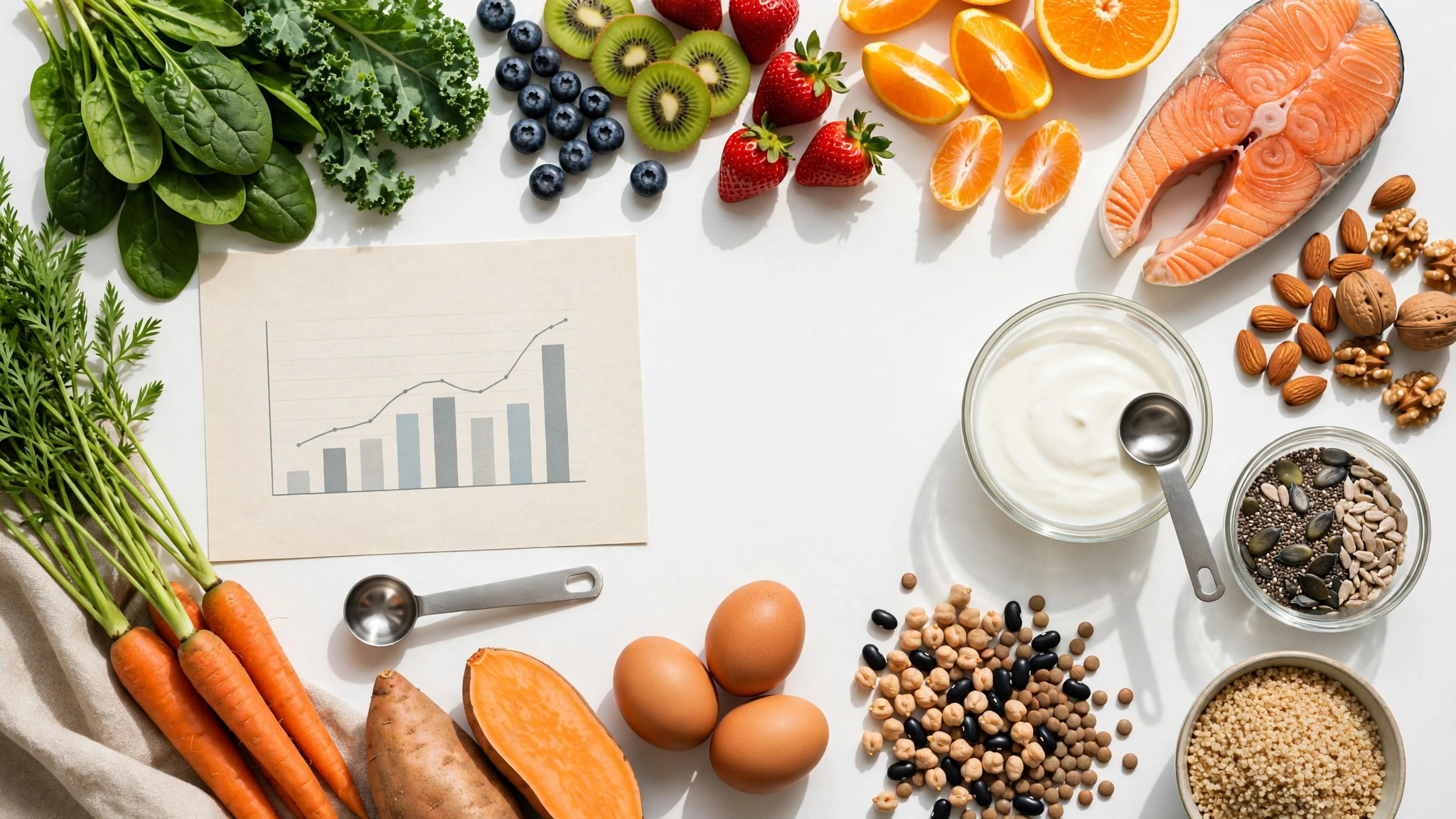
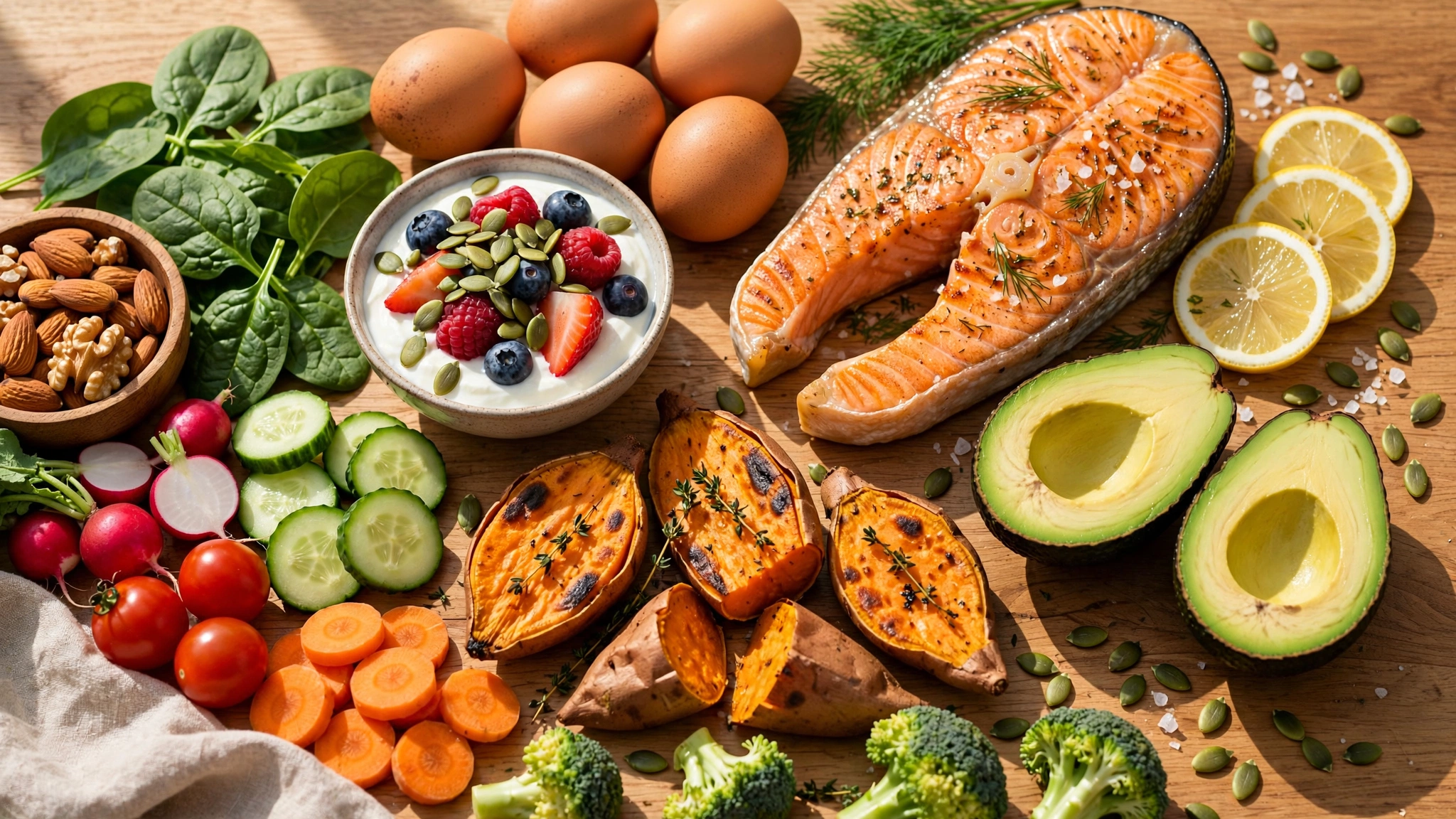
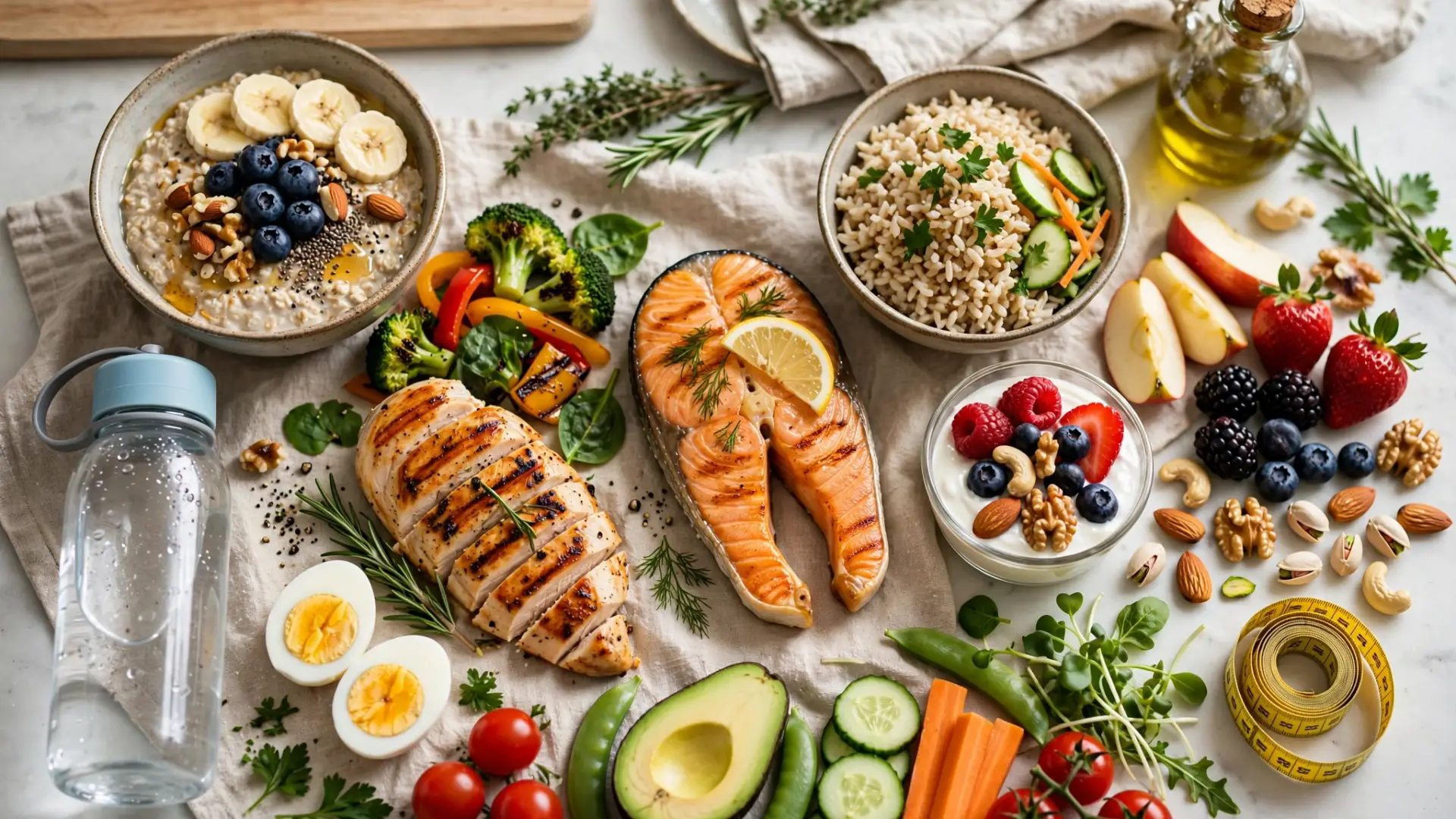
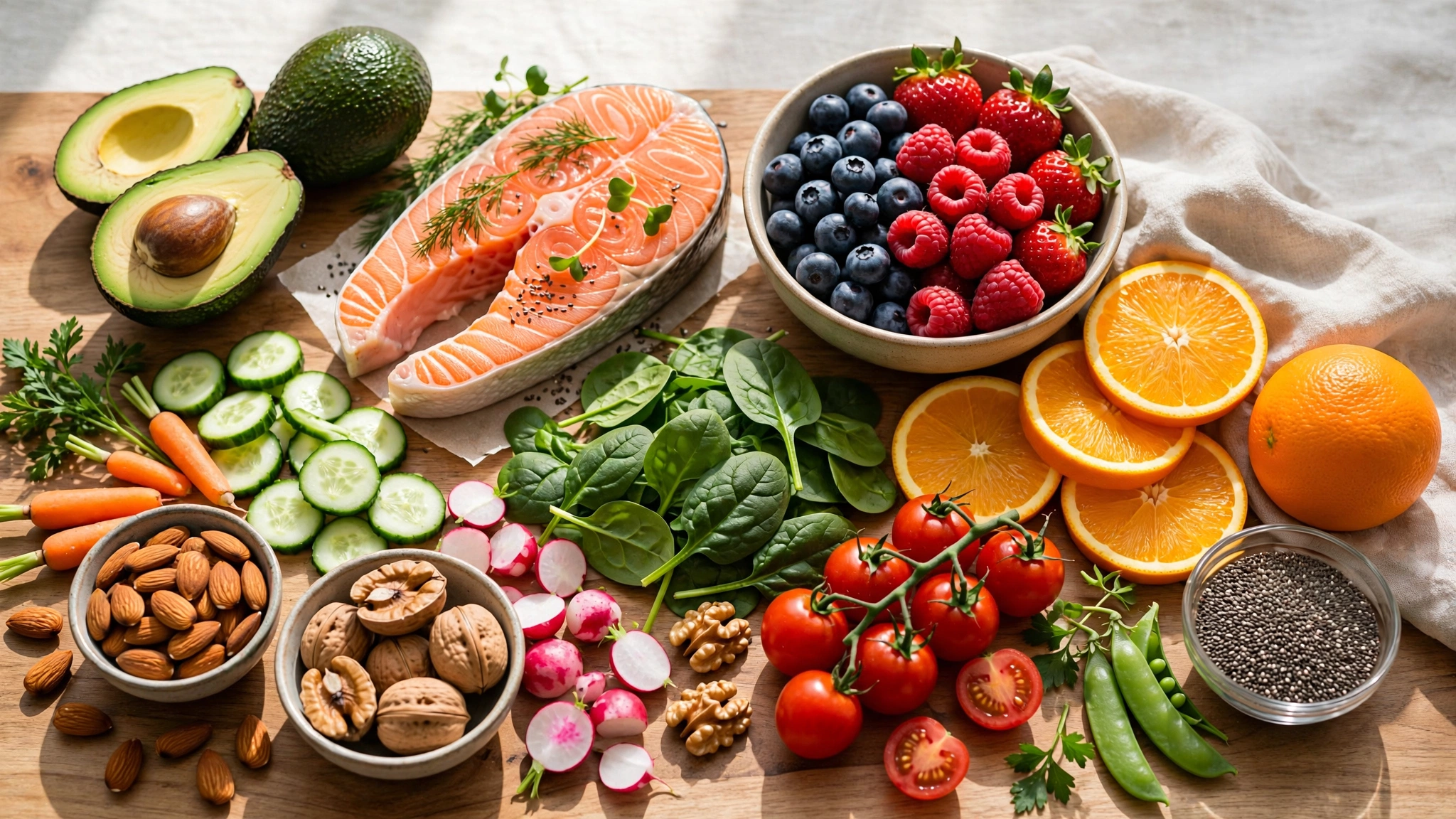
Healthy, glowing skin is not only influenced by skincare products but also by the foods you eat every day. A balanced diet rich in essential vitamins, minerals, antioxidants, and healthy fats can help support your skin from the inside out.
Your skin is the largest organ in your body, and it needs proper nutrition to stay healthy. Choosing nutrient-rich foods may help maintain your skin’s natural appearance, support hydration, and protect it from everyday environmental stress.
In this guide, you’ll discover the best foods for healthy skin, the nutrients your skin needs, and simple dietary habits that can support a naturally glowing complexion.
Why Nutrition Matters for Healthy Skin
Your body constantly repairs and renews skin cells. To support this natural process, your skin needs a variety of nutrients from healthy foods.
A nutritious diet may help:
- Support healthy skin cells
- Maintain natural skin hydration
- Provide important antioxidants
- Support collagen production
- Promote overall skin wellness
- Contribute to a healthy-looking complexion
Eating a balanced diet is one of the simplest ways to support long-term skin health.
Essential Nutrients for Healthy Skin
Certain nutrients play an important role in maintaining healthy skin.
Vitamin C
Vitamin C supports normal collagen formation and acts as an antioxidant that helps protect skin cells.
Good sources include:
- Oranges
- Strawberries
- Kiwi
- Bell peppers
- Broccoli
Vitamin E
Vitamin E helps protect cells from oxidative stress and supports overall skin health.
Good sources include:
- Almonds
- Sunflower seeds
- Avocados
- Spinach
Healthy Omega-3 Fats
Omega-3 fatty acids help support the skin’s natural barrier and overall wellness.
Common food sources include:
- Salmon
- Sardines
- Walnuts
- Chia seeds
- Flaxseeds
Best Foods for Healthy Skin
1. Avocados
Avocados provide healthy fats and vitamin E that help support healthy-looking skin.
2. Berries
Blueberries, strawberries, and raspberries are rich in antioxidants that help protect the skin from everyday environmental stress.
3. Fatty Fish
Fish such as salmon and sardines contain omega-3 fatty acids that support overall skin health.
4. Nuts and Seeds
Almonds, walnuts, sunflower seeds, and pumpkin seeds provide healthy fats, vitamin E, and other nutrients that contribute to skin wellness.
These foods can easily be included in a balanced daily diet to support healthy skin naturally.More Foods and Daily Habits for Healthy Skin
5. Sweet Potatoes
Sweet potatoes are rich in beta-carotene, which the body converts into vitamin A. This nutrient supports normal skin health and helps maintain a healthy-looking complexion.
6. Tomatoes
Tomatoes contain vitamin C and lycopene, natural antioxidants that help protect skin cells from everyday environmental stress.
7. Green Leafy Vegetables
Vegetables such as spinach, kale, and broccoli provide vitamins A, C, and E, along with antioxidants that support overall skin wellness.
8. Yogurt
Plain yogurt contains protein and beneficial nutrients that support a balanced diet and overall health. Choose low-sugar options whenever possible.
9. Green Tea
Green tea contains natural plant compounds called polyphenols. Drinking it as part of a balanced diet may support overall wellness.
10. Dark Chocolate
Dark chocolate with a high cocoa content can be enjoyed in moderation as part of a healthy eating plan.
Stay Hydrated for Healthy Skin
Water plays an important role in supporting normal body functions, including skin health.
Simple hydration tips:
- Drink water regularly throughout the day.
- Eat water-rich fruits and vegetables.
- Limit sugary drinks.
- Stay hydrated during exercise and hot weather.
Foods to Limit
For overall health, try to reduce:
- Sugary drinks
- Highly processed foods
- Deep-fried foods
- Excessive fast food
- Foods high in added sugar
A balanced eating pattern is generally more beneficial than relying on a single “superfood.”
Healthy Daily Habits for Better Skin
Along with healthy eating, these habits can support skin health:
- Get enough quality sleep.
- Exercise regularly.
- Manage daily stress.
- Avoid smoking.
- Protect your skin from excessive sun exposure.
- Follow a consistent skincare routine suitable for your skin type.
Create a Skin-Friendly Meal Plan
A healthy daily meal may include:
- Fresh fruits
- Colorful vegetables
- Whole grains
- Lean protein
- Healthy fats
- Plenty of water
Eating a variety of nutritious foods helps provide your body with the nutrients it needs to support overall wellness and healthy skin.
In the next section, you’ll find frequently asked questions, a conclusion, and practical tips for maintaining healthy skin over the long term.
Frequently Asked Questions (FAQ)
1. What are the best foods for healthy skin?
Some of the best foods for healthy skin include avocados, berries, fatty fish, leafy green vegetables, tomatoes, nuts, seeds, and sweet potatoes. These foods provide essential vitamins, minerals, healthy fats, and antioxidants.
2. Does drinking water improve skin health?
Staying well hydrated supports your body’s normal functions and helps maintain healthy-looking skin as part of an overall healthy lifestyle.
3. Which vitamin is most important for healthy skin?
Vitamins C, E, and A are important nutrients that help support normal skin health. Eating a balanced diet with a variety of nutritious foods is the best way to obtain these nutrients.
4. Can diet help improve skin appearance?
A healthy, balanced diet combined with good sleep, regular exercise, hydration, and proper skincare can support healthy-looking skin over time.
5. How long does it take to see results from healthy eating?
Results vary from person to person. Consistently following healthy eating habits and maintaining a balanced lifestyle can support long-term skin health.
Conclusion
Healthy skin begins with healthy daily habits. While skincare products can help protect and care for your skin, proper nutrition plays an equally important role.
Eating a balanced diet rich in fruits, vegetables, whole grains, lean proteins, healthy fats, and plenty of water can help support your skin from the inside out. Combined with regular exercise, quality sleep, stress management, and proper skincare, these habits contribute to long-term skin wellness.
Start with small, sustainable changes each day. Over time, these healthy choices can help you maintain naturally healthy-looking skin and improve your overall well-being.