
Introduction
High blood pressure is a common health concern that can affect people of different ages. It occurs when the force of blood pushing against the walls of the arteries remains higher than the recommended level. Many people do not notice any symptoms, which is why regular blood pressure checks are important.
The good news is that healthy lifestyle habits can help manage blood pressure and support long-term heart health. Eating a balanced diet, staying physically active, getting enough sleep, and reducing excess sodium are practical steps that may help. However, natural methods should not replace prescribed medication or professional medical care.
In this guide, you will learn about everyday habits, food choices, physical activity, and other evidence-informed approaches that can help you manage high blood pressure.
What Is High Blood Pressure?
Blood pressure measures how strongly blood pushes against the walls of your arteries. A blood pressure reading contains two numbers:
Systolic pressure: The upper number, which measures pressure when the heart contracts.
Diastolic pressure: The lower number, which measures pressure when the heart relaxes between beats.
For example, a reading of 120/80 mmHg contains a systolic value of 120 and a diastolic value of 80.
The ranges used to classify blood pressure can vary slightly between medical guidelines. A single high reading does not always mean that someone has hypertension. Healthcare professionals consider repeated measurements, medical history, and other risk factors when making a diagnosis.
If your readings are consistently high, speak with a qualified healthcare professional about the most appropriate next steps.
Why Is Managing Blood Pressure Important?
Blood pressure that remains high over time can place extra strain on the heart and blood vessels. If left unmanaged, it can increase the risk of serious health problems, including heart disease, stroke, and kidney disease.
High blood pressure often develops without noticeable symptoms. Feeling healthy does not necessarily mean your blood pressure is within a healthy range.
Regular monitoring and appropriate medical care can help identify a problem early. Healthy daily habits can also support treatment and improve overall well-being.
Common Factors That Can Contribute to High Blood Pressure
Several factors may influence blood pressure. Some are related to everyday habits, while others involve genetics, age, or underlying medical conditions.
- Eating Too Much Sodium
Sodium is found in table salt and many packaged foods. Consuming too much sodium can contribute to higher blood pressure in some people.
Common sources include salty snacks, instant noodles, processed meats, packaged sauces, and some ready-made meals. Checking nutrition labels and choosing lower-sodium alternatives can help reduce intake. - Limited Physical Activity
Regular movement supports cardiovascular health. Spending most of the day sitting and getting little physical activity may contribute to an increased risk of high blood pressure.
Activities such as walking, cycling, swimming, or other movements suited to your abilities can help support a healthier lifestyle. - Ongoing Stress
Stress can temporarily raise blood pressure. Repeated or prolonged stress may also affect sleep, eating habits, and other behaviours that influence cardiovascular health.
Relaxation techniques, enjoyable activities, and maintaining a consistent daily routine may help manage stress. - Poor Sleep
Sleep plays an important role in overall health. Regularly getting insufficient sleep or experiencing certain sleep disorders may be associated with high blood pressure.
Maintaining a consistent sleep schedule and discussing persistent sleep problems with a healthcare professional can be helpful. - Other Health and Lifestyle Factors
Age, family history, kidney conditions, certain medications, and other medical factors can influence blood pressure. Some people may need medication even when they follow healthy lifestyle habits.
For this reason, it is important to avoid assuming that diet or exercise alone will be enough for everyone.
Can You Lower Blood Pressure Naturally?
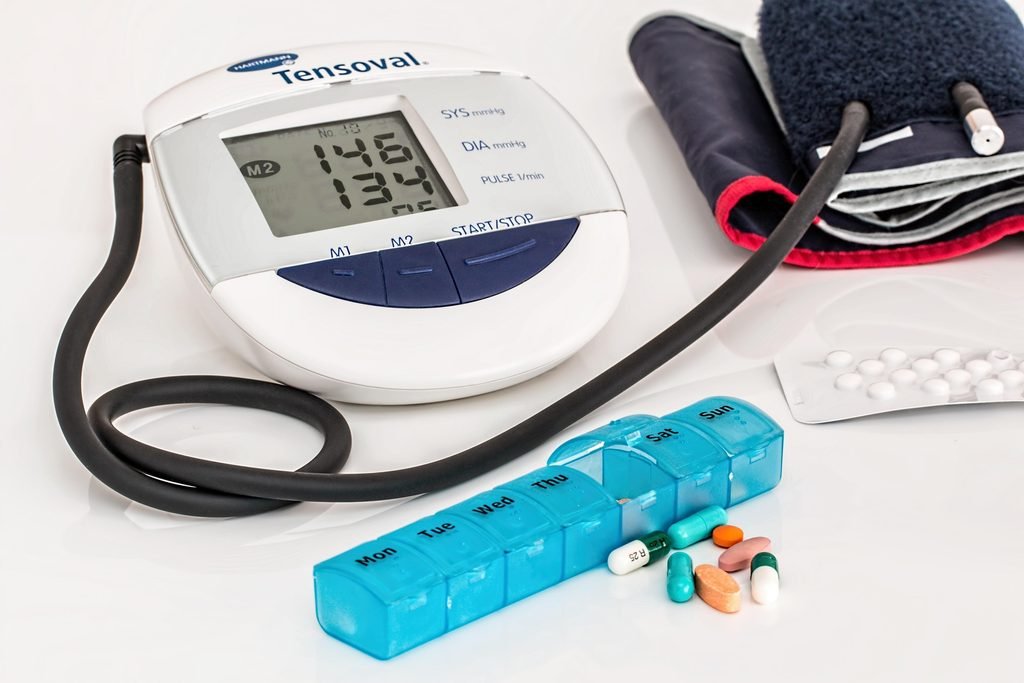
Healthy lifestyle changes can help lower blood pressure or support better blood pressure control. The results vary from person to person, and improvements may take time.
Helpful steps include:
Eating a balanced diet rich in vegetables and fruits.
Reducing excess sodium.
Choosing whole grains, beans, nuts, and other nutritious foods.
Engaging in regular physical activity appropriate for your health.
Maintaining a regular sleep routine.
Avoiding tobacco and limiting alcohol.
Monitoring blood pressure as recommended by your healthcare professional.
These habits work best when practised consistently. If you take blood pressure medication, do not stop or change your dose without consulting your prescriber.
Important: If your blood pressure reading is above 180/120 mmHg, wait at least one minute and measure it again. If it remains that high, seek immediate medical advice. If you also experience chest pain, shortness of breath, weakness, numbness, changes in vision, or difficulty speaking, call your local emergency service immediately.
Best Foods That May Help Lower High Blood Pressure
Food choices play an important role in cardiovascular health. A balanced eating pattern that includes vegetables, fruits, whole grains, beans, and other nutrient-rich foods can help support healthy blood pressure.
No single food can cure high blood pressure. Instead, focus on building healthy eating habits that you can maintain over time.
- Leafy Green Vegetables
Leafy greens such as spinach, kale, and other green vegetables provide potassium, magnesium, and other nutrients that support normal body functions.
Potassium helps the body manage sodium levels, which can be beneficial for blood pressure. However, people with kidney disease or those taking certain medications may need to limit potassium intake. If this applies to you, ask your healthcare professional which foods are appropriate.
Try adding leafy greens to soups, salads, omelettes, or everyday meals. - Bananas and Other Fruits
Bananas contain potassium, which helps the body regulate fluid balance and supports normal blood pressure.
Other nutritious choices include oranges, apples, berries, pears, and melons. Whole fruits also provide fibre, vitamins, and other beneficial nutrients.
Choose whole fruit more often than sugary fruit drinks. If you have been advised to limit potassium because of a medical condition, follow your healthcare professional’s guidance. - Oats and Whole Grains
Oats, brown rice, whole-wheat bread, and other whole grains provide fibre and can form part of a heart-friendly eating pattern.
Oats contain a type of soluble fibre called beta-glucan. Including whole grains in balanced meals can support overall cardiovascular health.
For breakfast, try plain oatmeal with fruit and unsalted nuts instead of a heavily sweetened cereal. - Beans and Lentils
Beans, chickpeas, and lentils provide plant-based protein, fibre, and minerals. They can be useful alternatives to some processed or high-sodium foods.
For example, you can prepare lentil soup, chickpea salad, or beans with vegetables. When buying canned beans, choose lower-sodium varieties when available, or rinse them under running water before use.
Traditional home-cooked meals can be nutritious when prepared with moderate amounts of salt and oil. - Unsalted Nuts and Seeds
Unsalted almonds, walnuts, pumpkin seeds, and other nuts or seeds provide healthy fats, fibre, and minerals.
Small portions can be included in a balanced diet as a snack or added to oatmeal and salads. Choose plain, unsalted options more often because heavily salted varieties can add considerable sodium.
People with nut allergies should avoid the relevant foods and choose suitable alternatives. - Low-Fat Dairy Products
Milk and plain yoghurt provide protein and minerals, including calcium and potassium. Low-fat varieties can fit into many heart-healthy eating patterns.
Choose products with little or no added sugar. If you cannot tolerate dairy, suitable fortified alternatives may provide some similar nutrients; check the nutrition label because their nutritional content varies. - Fish and Other Protein Sources
Fish provides protein, and oily fish such as salmon and sardines contain omega-3 fatty acids that support cardiovascular health.
Other useful protein choices include eggs, skinless poultry, tofu, beans, and lentils. Preparing these foods with herbs, spices, lemon, or garlic instead of excessive salt can make meals flavourful while helping to control sodium intake. - Garlic, Herbs, and Spices
Garlic, ginger, black pepper, coriander, cumin, lemon, and fresh herbs can add flavour without relying heavily on salt.
Some research has examined garlic supplements and blood pressure, but results vary, and supplements can interact with medications. Garlic used in ordinary cooking is a flavourful ingredient, not a replacement for prescribed treatment.
Avoid taking concentrated herbal products for blood pressure without discussing them with a qualified healthcare professional.
Foods to Limit for Better Blood Pressure Control
Along with choosing nutritious foods, reducing certain dietary sources of sodium and added sugar may help support healthy blood pressure.
- High-Sodium Packaged Foods
Instant noodles, salty crackers, packaged soups, processed meats, and some ready-made meals can contain large amounts of sodium.
Read nutrition labels and compare similar products. Choosing lower-sodium options can make it easier to manage your overall intake. - Excessive Table Salt
Adding salt during cooking and at the table can increase sodium intake. You do not need to remove every trace of salt from your diet, but reducing excess salt is a practical step.
The World Health Organization recommends that adults consume less than 2,000 mg of sodium per day, equivalent to less than 5 grams of salt from all sources. Individual medical needs may differ, so follow professional advice if you have been given a specific target. - Sugary Drinks
Soft drinks, sweetened juices, energy drinks, and other beverages with added sugar can contribute unnecessary sugar and calories to your diet.
Water is a good everyday choice. Unsweetened drinks can also be suitable alternatives depending on your health needs. - Processed and Fast Foods
Fast food, packaged snacks, and some restaurant meals may contain high levels of sodium and saturated fat.
You do not have to prepare every meal from scratch. When ordering food, consider smaller portions, sauces served separately, and lower-sodium options when available.
What Is the DASH Eating Plan?
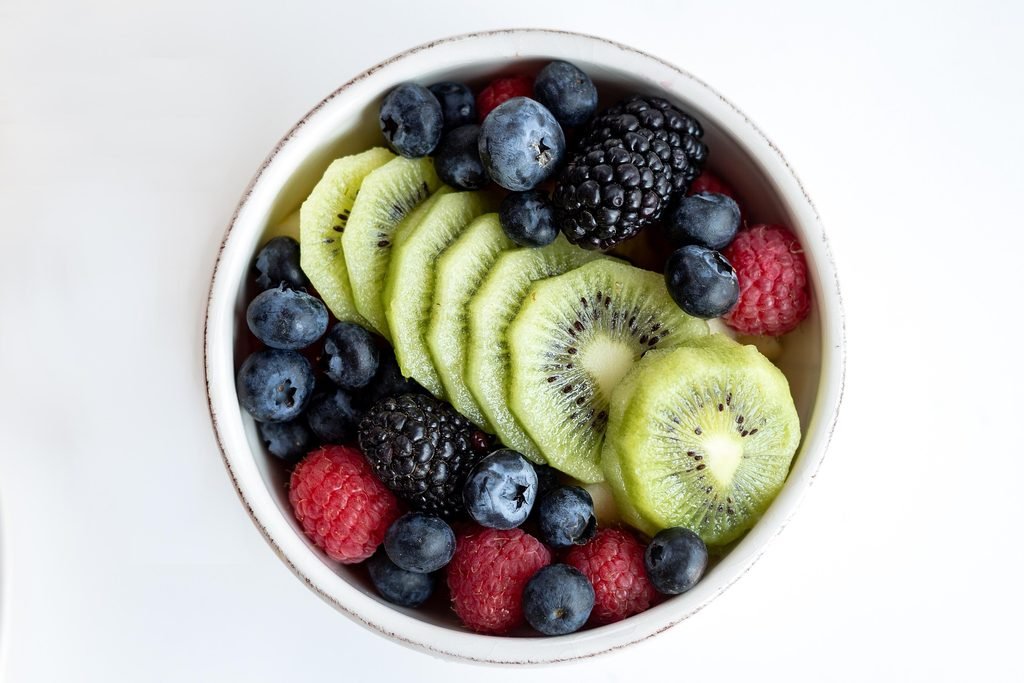
DASH stands for Dietary Approaches to Stop Hypertension. It is an eating pattern designed to help prevent and manage high blood pressure.
Rather than focusing on one special food, DASH encourages a variety of nutritious foods while limiting excess sodium, saturated fat, and added sugars.
A typical DASH-style eating pattern includes:
Vegetables and fruits.
Whole grains.
Beans, lentils, nuts, and seeds.
Fish and poultry.
Low-fat or fat-free dairy products, where suitable.
Limited amounts of processed meats and high-sodium packaged foods.
The DASH eating plan is flexible and can be adapted to different food preferences and cultural diets.
How to Follow DASH With Everyday Meals
You can apply the basic principles without buying expensive ingredients.
For breakfast, consider oatmeal with fruit or whole-wheat bread with an egg.
For lunch, try lentils, beans, or chicken with vegetables and a moderate portion of whole grains.
For dinner, choose fish, poultry, tofu, or another suitable protein alongside vegetables and brown rice or whole-wheat roti.
For snacks, consider whole fruit, plain yoghurt, or a small portion of unsalted nuts.
The goal is not to follow a perfect menu every day. It is to make balanced choices more often and reduce excess sodium over time.
Remember: If you have kidney disease, take medication that affects potassium, or have been given a special diet by your healthcare professional, discuss major dietary changes before increasing potassium-rich foods or using salt substitutes.
Lifestyle Changes That Can Help Manage High Blood Pressure
Best Foods That May Help Lower High Blood Pressure
Food choices play an important role in cardiovascular health. A balanced eating pattern that includes vegetables, fruits, whole grains, beans, and other nutrient-rich foods can help support healthy blood pressure.
No single food can cure high blood pressure. Instead, focus on building healthy eating habits that you can maintain over time.
1. Leafy Green Vegetables
Leafy greens such as spinach, kale, and other green vegetables provide potassium, magnesium, and other nutrients that support normal body functions.
Potassium helps the body manage sodium levels, which can be beneficial for blood pressure. However, people with kidney disease or those taking certain medications may need to limit potassium intake. If this applies to you, ask your healthcare professional which foods are appropriate.
Try adding leafy greens to soups, salads, omelettes, or everyday meals.
2. Bananas and Other Fruits
Bananas contain potassium, which helps the body regulate fluid balance and supports normal blood pressure.
Other nutritious choices include oranges, apples, berries, pears, and melons. Whole fruits also provide fibre, vitamins, and other beneficial nutrients.
Choose whole fruit more often than sugary fruit drinks. If you have been advised to limit potassium because of a medical condition, follow your healthcare professional’s guidance.
3. Oats and Whole Grains
Oats, brown rice, whole-wheat bread, and other whole grains provide fibre and can form part of a heart-friendly eating pattern.
Oats contain a type of soluble fibre called beta-glucan. Including whole grains in balanced meals can support overall cardiovascular health.
For breakfast, try plain oatmeal with fruit and unsalted nuts instead of a heavily sweetened cereal.
4. Beans and Lentils
Beans, chickpeas, and lentils provide plant-based protein, fibre, and minerals. They can be useful alternatives to some processed or high-sodium foods.
For example, you can prepare lentil soup, chickpea salad, or beans with vegetables. When buying canned beans, choose lower-sodium varieties when available, or rinse them under running water before use.
Traditional home-cooked meals can be nutritious when prepared with moderate amounts of salt and oil.
5. Unsalted Nuts and Seeds
Unsalted almonds, walnuts, pumpkin seeds, and other nuts or seeds provide healthy fats, fibre, and minerals.
Small portions can be included in a balanced diet as a snack or added to oatmeal and salads. Choose plain, unsalted options more often because heavily salted varieties can add considerable sodium.
People with nut allergies should avoid the relevant foods and choose suitable alternatives.
6. Low-Fat Dairy Products
Milk and plain yoghurt provide protein and minerals, including calcium and potassium. Low-fat varieties can fit into many heart-healthy eating patterns.
Choose products with little or no added sugar. If you cannot tolerate dairy, suitable fortified alternatives may provide some similar nutrients; check the nutrition label because their nutritional content varies.
7. Fish and Other Protein Sources
Fish provides protein, and oily fish such as salmon and sardines contain omega-3 fatty acids that support cardiovascular health.
Other useful protein choices include eggs, skinless poultry, tofu, beans, and lentils. Preparing these foods with herbs, spices, lemon, or garlic instead of excessive salt can make meals flavourful while helping to control sodium intake.
8. Garlic, Herbs, and Spices
Garlic, ginger, black pepper, coriander, cumin, lemon, and fresh herbs can add flavour without relying heavily on salt.
Some research has examined garlic supplements and blood pressure, but results vary, and supplements can interact with medications. Garlic used in ordinary cooking is a flavourful ingredient, not a replacement for prescribed treatment.
Avoid taking concentrated herbal products for blood pressure without discussing them with a qualified healthcare professional.
Foods to Limit for Better Blood Pressure Control
Along with choosing nutritious foods, reducing certain dietary sources of sodium and added sugar may help support healthy blood pressure.
1. High-Sodium Packaged Foods
Instant noodles, salty crackers, packaged soups, processed meats, and some ready-made meals can contain large amounts of sodium.
Read nutrition labels and compare similar products. Choosing lower-sodium options can make it easier to manage your overall intake.
2. Excessive Table Salt
Adding salt during cooking and at the table can increase sodium intake. You do not need to remove every trace of salt from your diet, but reducing excess salt is a practical step.
The World Health Organization recommends that adults consume less than 2,000 mg of sodium per day, equivalent to less than 5 grams of salt from all sources. Individual medical needs may differ, so follow professional advice if you have been given a specific target.
3. Sugary Drinks
Soft drinks, sweetened juices, energy drinks, and other beverages with added sugar can contribute unnecessary sugar and calories to your diet.
Water is a good everyday choice. Unsweetened drinks can also be suitable alternatives depending on your health needs.
4. Processed and Fast Foods
Fast food, packaged snacks, and some restaurant meals may contain high levels of sodium and saturated fat.
You do not have to prepare every meal from scratch. When ordering food, consider smaller portions, sauces served separately, and lower-sodium options when available.
What Is the DASH Eating Plan?
DASH stands for Dietary Approaches to Stop Hypertension. It is an eating pattern designed to help prevent and manage high blood pressure.
Rather than focusing on one special food, DASH encourages a variety of nutritious foods while limiting excess sodium, saturated fat, and added sugars.
A typical DASH-style eating pattern includes:
- Vegetables and fruits.
- Whole grains.
- Beans, lentils, nuts, and seeds.
- Fish and poultry.
- Low-fat or fat-free dairy products, where suitable.
- Limited amounts of processed meats and high-sodium packaged foods.
The DASH eating plan is flexible and can be adapted to different food preferences and cultural diets.
How to Follow DASH With Everyday Meals
You can apply the basic principles without buying expensive ingredients.
For breakfast, consider oatmeal with fruit or whole-wheat bread with an egg.
For lunch, try lentils, beans, or chicken with vegetables and a moderate portion of whole grains.
For dinner, choose fish, poultry, tofu, or another suitable protein alongside vegetables and brown rice or whole-wheat roti.
For snacks, consider whole fruit, plain yoghurt, or a small portion of unsalted nuts.
The goal is not to follow a perfect menu every day. It is to make balanced choices more often and reduce excess sodium over time.
Remember: If you have kidney disease, take medication that affects potassium, or have been given a special diet by your healthcare professional, discuss major dietary changes before increasing potassium-rich foods or using salt substitutes.