Introduction
Good posture plays an important role in maintaining a healthy and active lifestyle. The way you sit, stand, walk, and move throughout the day can affect your body comfort and overall wellness.
In today’s digital world, many people spend hours sitting at desks, using smartphones, or working on computers. These daily habits can lead to poor posture and body discomfort over time.
The good news is that improving posture does not require complicated changes. Simple exercises, better sitting habits, and daily awareness can help you build a healthier posture.
This guide explains practical ways to improve your posture and reduce the risk of back pain through natural lifestyle changes.
What Is Good Posture?
Good posture means keeping your body in a balanced and comfortable position where your muscles, joints, and spine are properly aligned.
A healthy posture includes:
- Keeping your head straight and aligned with your shoulders
- Relaxing your shoulders instead of rounding them forward
- Maintaining a natural spine position
- Keeping your feet properly supported while sitting or standing
- Distributing your body weight evenly
Good posture helps your body move efficiently and reduces unnecessary pressure on muscles and joints.
Why Is Good Posture Important?
Maintaining proper posture can support overall health and daily comfort.
Some benefits include:
- Better body alignment
- Improved movement and flexibility
- Reduced muscle strain
- Better breathing habits
- More confidence while standing and walking
- Improved comfort during daily activities
A healthy posture is especially important for people who spend many hours sitting or working on computers.
Common Causes of Poor Posture
1. Sitting for Long Hours
Many people sit for extended periods without changing their position. Long hours of sitting can affect muscle balance and encourage unhealthy posture habits.
2. Excessive Smartphone Use
Looking down at a phone for long periods may place extra stress on the neck and upper body. Maintaining a better screen position can help improve posture.
3. Lack of Physical Activity
Regular movement helps maintain muscle strength and flexibility. A sedentary lifestyle may contribute to weaker posture-supporting muscles.
4. Incorrect Work Setup
A poorly arranged workspace can affect your sitting position. Desk height, chair support, and computer placement all play a role in maintaining better posture.
Signs You May Have Poor Posture
Some common signs include:
- Rounded shoulders
- Forward head position
- Difficulty sitting upright for long periods
- Muscle stiffness after sitting
- Frequent body discomfort
Recognizing these habits early can help you make positive changes.
Exercises and Daily Habits to Improve Posture and Prevent Back Pain
Best Exercises to Improve Your Posture
Regular movement and simple exercises can help strengthen the muscles that support your posture. You do not need expensive equipment; many posture exercises can be done at home.
1. Cat-Cow Stretch
The Cat-Cow stretch is a gentle movement that helps improve spinal flexibility.
How to do it:
- Start on your hands and knees
- Slowly arch your back upward
- Then gently lower your back and lift your chest
- Repeat the movement comfortably
This exercise can help your body stay flexible and mobile.
2. Shoulder Blade Squeezes
This simple exercise helps strengthen the muscles around your upper back.
How to do it:
- Sit or stand straight
- Pull your shoulder blades gently backward
- Hold for a few seconds
- Relax and repeat
It can help reduce rounded shoulder habits caused by long sitting.
3. Chest Stretch
Tight chest muscles can affect posture by pulling the shoulders forward.
How to do it:
- Stand near a doorway
- Place your arms on the sides
- Gently stretch your chest forward
- Hold the position comfortably
4. Core Strengthening Exercises
Your core muscles help support your body position. Exercises like planks and gentle core movements can improve stability.
Always perform exercises with proper form and choose movements suitable for your fitness level.
Daily Habits to Maintain Better Posture
1. Take Regular Movement Breaks
If you sit for long periods, try to stand up, walk, or stretch regularly. Small movement breaks can help your body stay active.
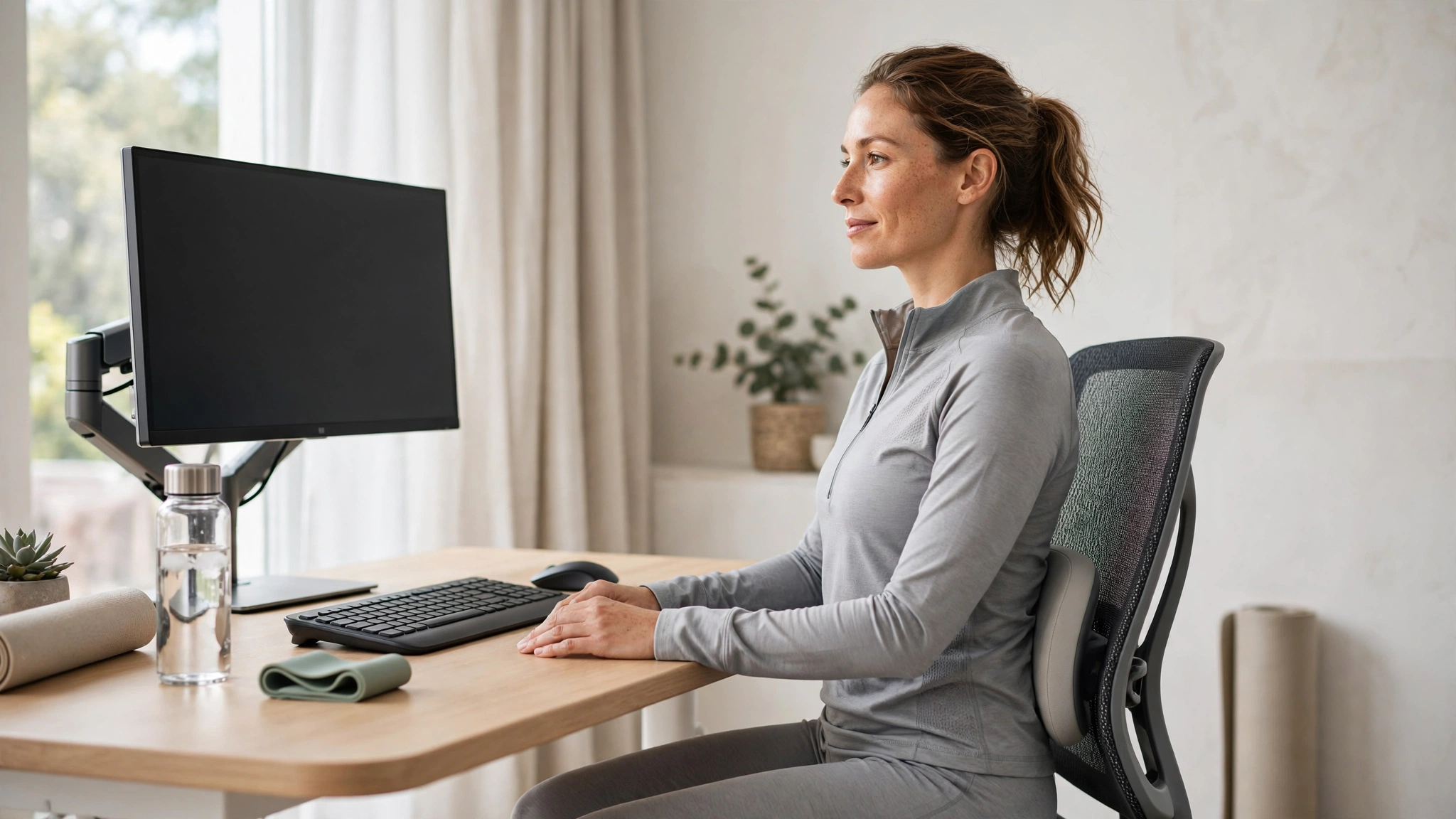
2. Adjust Your Workspace
Create a comfortable work environment:
- Keep your screen near eye level
- Use a supportive chair
- Keep your feet comfortable on the floor
- Avoid leaning forward for long periods
3. Be Mindful While Using Your Phone
Hold your phone closer to eye level instead of constantly looking downward. This can encourage a healthier neck position.
4. Strengthen Your Body Through Activity
Walking, stretching, and regular exercise can support overall body strength and mobility.
Sleeping Habits for Better Posture
Your sleeping position can also affect how your body feels.
Helpful tips:
- Choose a comfortable sleeping position
- Use proper pillow support
- Avoid positions that create unnecessary strain
- Maintain a consistent sleep routine
How to Prevent Back Pain Through Lifestyle Changes
Healthy daily habits can support a stronger and more comfortable body.
Some useful changes include:
- Stay physically active
- Maintain a healthy body weight
- Practice proper lifting techniques
- Avoid staying in one position for too long
- Include stretching in your routine
When to Seek Professional Advice
If you experience ongoing or severe discomfort, it is a good idea to consult a qualified healthcare professional for proper guidance.
Posture improvement is a gradual process. Consistency with healthy habits is the key to long-term results.
FAQ, Conclusion, SEO Settings & Featured Image Prompt
Frequently Asked Questions (FAQ)
1. Can poor posture cause back pain?
Poor posture can contribute to muscle strain and discomfort because it may put extra stress on certain areas of the body. Maintaining better posture habits can support a healthier body position.
2. How long does it take to improve posture?
Improving posture is a gradual process. With regular exercises, awareness, and healthy daily habits, many people can make positive changes over time.
3. Can I improve my posture at home?
Yes, many posture improvement exercises can be done at home without special equipment. Stretching, strengthening exercises, and better sitting habits can help support good posture.
4. Is sitting all day bad for posture?
Sitting for long periods without movement can affect posture. Taking regular breaks, adjusting your workspace, and staying active can help maintain better body alignment.
5. What is the best exercise for better posture?
There is no single best exercise for everyone. A combination of stretching, strengthening, and mobility exercises can help improve overall posture.
Conclusion
Improving your posture is an important part of maintaining a healthy and active lifestyle. Small daily changes, such as sitting correctly, staying active, and performing simple exercises, can support better body alignment.
Remember that posture improvement takes consistency and patience. By building healthy habits and paying attention to your daily movements, you can create a stronger foundation for long-term wellness.